What Paint Finish for a Bathroom, and for Every Other Room: Sheens in Gloss Units
By Erdi Doğan, owner and editor ·
Drafted with AI assistance; every number checked against the cited source.
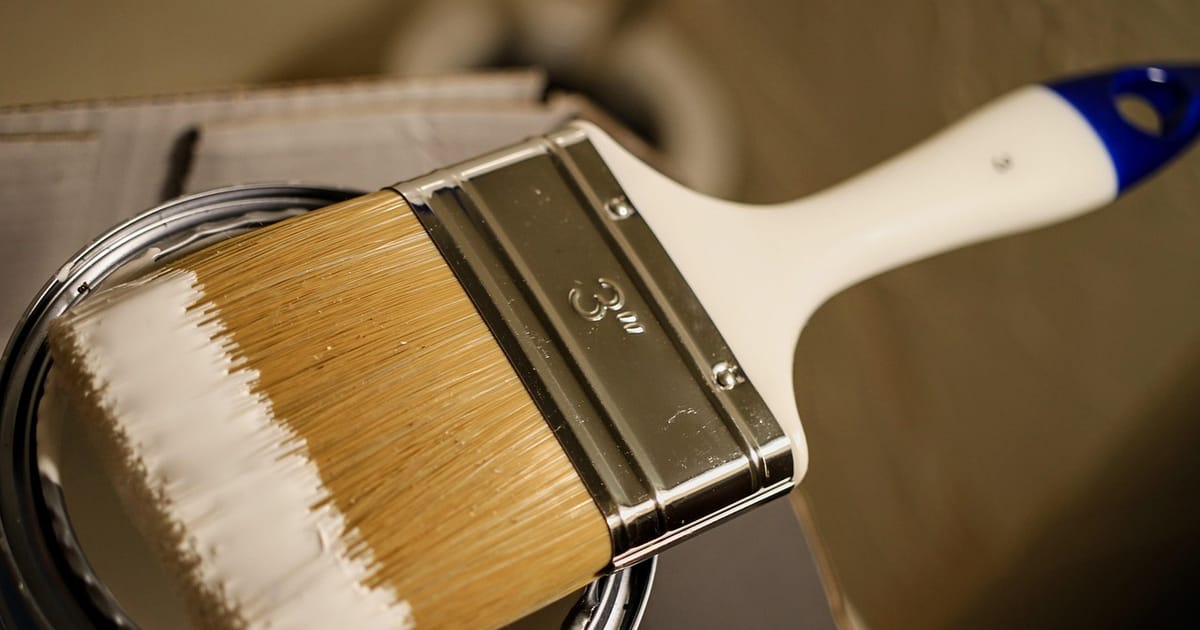
Sheen is a measured number, not just a label: it is how much light a dried paint film reflects, read with a gloss meter at a 60° angle (and at 85° for the flattest paints) under ASTM D523. For bathroom walls, the safe pick is a satin (or eggshell-satin) finish. It is the one sheen that Sherwin-Williams' written advice ("a satin or semi-gloss sheen is ideal, as it can withstand moisture") and its own room-by-room chart both recommend. Below are the seven standard gloss levels in numbers, how two big brands name them, and a room-by-room table. To work out how many gallons to buy, use the paint calculator. Dry times, primer and the rest of the job are on the paint projects hub.
What paint finish to use in a bathroom
Use satin on bathroom walls. Use semi-gloss if you want the wipe-down toughness of a shinier film and your walls are smooth. Here is what the two manufacturers' guides say:
- Sherwin-Williams, written guide: "A satin or semi-gloss sheen is ideal, as it can withstand moisture." Its semi-gloss list starts with kitchens, bathrooms and utility areas.
- Sherwin-Williams, sheen chart on the same page: for "Kitchen & Bath (Walls)" it marks Matte, Eg-Shel/Satin, Low Lustre and Pearl, and leaves Flat, Semi-Gloss and Gloss unmarked. The chart and the text disagree on semi-gloss. They agree on satin.
- Benjamin Moore: bathrooms "can be painted in a matte finish" only when the paint is made for it, in its case a line "designed to achieve exceptional durability, color retention and mildew resistance in high-humidity environments."
So matte works in a bathroom only if the label says the paint is made for high humidity. Flat paint doesn't belong there: Sherwin-Williams calls flat "prone to scuffs and stains," and its chart doesn't mark flat for bathroom walls.
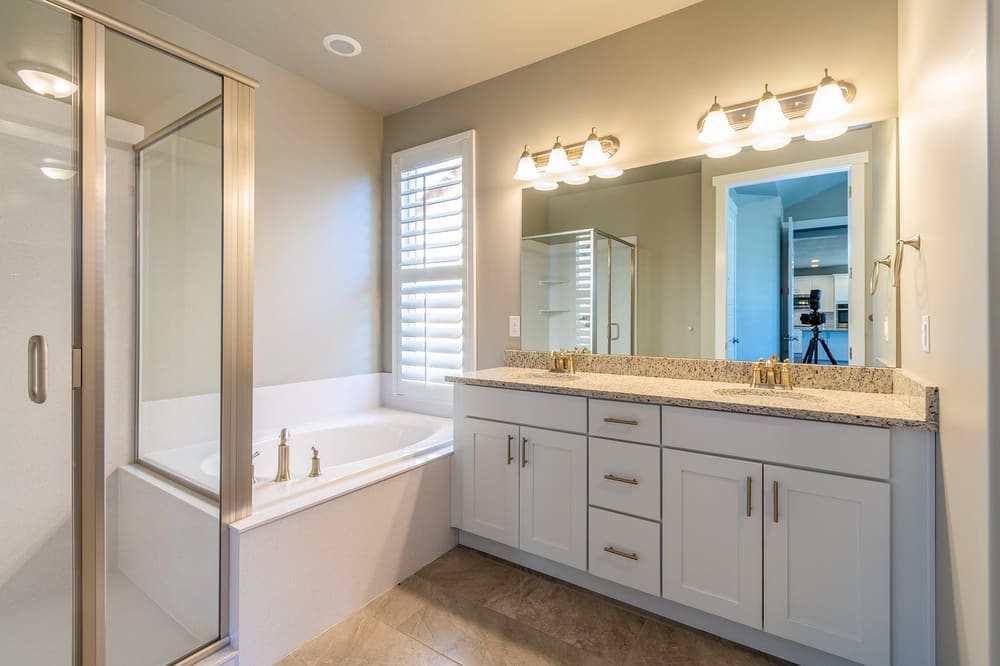
Sheen won't keep a steamy bathroom dry. The model residential code (IRC R303.3, as printed in the City of Boise's code handout) requires bathrooms to have at least 3 sq ft (0.3 m²) of window glass, half of it openable, or artificial light plus a local exhaust system that sends the air "directly to the outdoors." Check what your local code adopts. If the fan doesn't run, no sheen will stop mildew for long.
Paint finishes from flat to high gloss, in gloss units
The Master Painters Institute (MPI) defines seven gloss levels, and US specifications such as the federal UFGS 09 90 00 painting spec (August 2026) and the University of Maryland, Baltimore's painting section use them to name a sheen without naming a brand. Gloss is read at 60°. Sheen, the shine you see when you look along the wall, is read at 85°.
| MPI level | Gloss at 60° | Sheen at 85° |
|---|---|---|
| G1 Matte or flat | 0–5 | 10 max |
| G2 Velvet | 0–10 | 10–35 |
| G3 Eggshell | 10–25 | 10–35 |
| G4 Satin | 20–35 | 35 min |
| G5 Semi-gloss | 35–70 | — |
| G6 Gloss | 70–85 | — |
| G7 High gloss | more than 85 units | — |
Two things stand out in the numbers. Flat and velvet overlap completely at 60° (0–5 vs 0–10 units); only the 85° reading separates them. And semi-gloss spans 35 units, the widest closed range on the scale, so two semi-glosses can differ more than any two eggshells. The federal spec notes that the government has historically used only four of the seven: flat (G1/G2), eggshell (G3), semi-gloss (G5) and gloss (G6).
Why one brand's eggshell isn't another's
The sheen names on retail cans aren't standardized. Sherwin-Williams' sheen chart has ten steps: Flat, Matte, Velvet, Eg-Shel/Satin, Low Lustre, Pearl, Semi-Gloss, Medium Lustre, Gloss and High Gloss. Benjamin Moore's has its own names, and the company admits they don't line up exactly. It calls low lustre eggshell's "comparable—but not exact—sheen sibling" and says soft gloss is "not an exact match for satin paint."
In practice, buy touch-up paint in the same product line and the same named sheen as the original. Sherwin-Williams' fix for patchy shine is "repainting the affected area with the same finish." A "satin" from a different line can be a whole MPI level off.
Eggshell vs satin for walls
Satin is the shinier of the two and stands up better to cleaning. Eggshell hides more flaws. On the MPI scale, eggshell runs 10–25 units at 60° and satin 20–35, so they overlap at the edges. Benjamin Moore says satin "delivers a higher gloss" and offers "better stain resistance and durability than lower sheens, including eggshell." Sherwin-Williams puts the two together for bedrooms ("eggshell or satin") and says flat or eggshell is best for hiding imperfections.
Our rule of thumb from those two statements: satin where hands, splashes or kids touch the wall (hallways, kids' rooms, kitchen and bath walls), and eggshell where the drywall is less than perfect and the room is gentle (living rooms, adult bedrooms).
Paint sheen by room: where the two brands agree
This table puts both manufacturers' published picks side by side. The last column is our reading of the overlap, not a third manufacturer's advice.
| Room or surface | Sherwin-Williams | Benjamin Moore | Where they overlap |
|---|---|---|---|
| Ceilings | Flat | Flat | Flat |
| Living and dining rooms | Flat to low lustre (chart); flat or matte (text) | Matte, eggshell | Matte or eggshell |
| Bedrooms | Flat to low lustre (chart); eggshell or satin (text) | Matte, eggshell | Eggshell |
| Hallways, kids' rooms | Flat to pearl for hallways, matte to low lustre for kids' rooms (chart); satin/eggshell (text) | Eggshell, pearl/satin ("high traffic walls") | Eggshell or satin |
| Kitchen and bath walls | Matte, eggshell/satin, low lustre, pearl (chart); semi-gloss (text) | Matte only in a high-humidity line | Satin (in both SW's chart and text) |
| Trim, doors | Eg-shel/satin, semi-gloss, gloss, high gloss | Low lustre, pearl/satin, semi-gloss, gloss | Satin, semi-gloss or gloss |
| Cabinets | Eg-shel/satin, semi-gloss, gloss, high gloss | Pearl/satin, semi-gloss, gloss | Satin, semi-gloss or gloss |
| Exterior siding | Flat, eg-shel/satin, gloss (chart "Exteriors"); matte (text) | Low lustre, pearl/satin | Satin |
| Exterior trim, shutters, doors | Flat, eg-shel/satin, gloss (chart "Exteriors"); satin (text) | Pearl/satin, semi-gloss, gloss | Satin or gloss |
Coverage per gallon is printed on each product's label and data sheet; the paint calculator lists the figures for the main interior and exterior lines.
When a shinier finish works against you
The more a finish reflects, the more it shows what's under it. Benjamin Moore warns that a gloss finish "can accentuate blemishes, avoid using it on areas that are not completely smooth." It also says even a pearl finish "is more susceptible to showing lap marks and other painting flaws." At the other end, flat hides flaws but marks easily: Benjamin Moore: "Stains are harder to remove from low-sheen paint."
Sheen also changes how a color reads. Sherwin-Williams says it "can slightly alter the perception of color, making it appear lighter or darker depending on the light." Test the color in the sheen you'll actually buy. Whatever the sheen, wait the recoat time printed on the label before the second coat; our paint drying times guide lists it for 17 products.
Can you change the sheen or paint over gloss?
Yes. To change the sheen, paint over the old finish with the one you want. Sherwin-Williams says you can modify sheen "by using a different finish over the existing one." Over an old glossy coat, prep comes first: Sherwin-Williams' Emerald Interior data sheet says "Glossy surfaces should be sanded dull" as part of surface preparation. Expect any sheen to fade over the years. Sherwin-Williams says it "can dull due to wear and tear, cleaning, and exposure to elements."
Once you've chosen a finish, measure the walls and run them through the paint calculator, then follow the order of work on the paint projects hub.
Sources
- Sherwin-Williams, "How to Choose a Paint Finish" (paint sheen guide, including the room-by-sheen chart and FAQ), sherwin-williams.com/en-us/project-center/paint-sheen-guide, opened 2026-10-20 and 2026-11-02.
- Benjamin Moore, "How to Choose a Paint Finish" (finish descriptions and Common Sheen Uses table), benjaminmoore.com/en-us/interior-exterior-paints-stains/how-to-advice/painting-101/choosing-paint-finish, opened 2026-10-20 and 2026-11-02.
- USACE / NAVFAC / AFCEC, UFGS-09 90 00 Paints and Coatings (August 2026), gloss level definitions, wbdg.org, opened 2026-11-02.
- University of Maryland, Baltimore, Design and Construction Standards, Section 09 91 14 Exterior Painting (MPI Standards), 2022, umaryland.edu, opened 2026-11-02.
- Cloverdale Paint, "Paint Sheen Levels" (MPI gloss levels, ASTM D523), cloverdalepaint.com, opened 2026-11-02.
- Sherwin-Williams Product Data Sheet 101.08MAB, Emerald Interior Latex Matte (08/2026), surface preparation, sherwin-williams.com/document/PDS/, opened 2026-11-02.
- City of Boise, IRC code handout 433, Section R303 Light & Ventilation, cityofboise.org, opened 2026-11-02.